

Table of Contents
- Quick Comparison: Top Lock Pick Sets and Tools
- What to Look for in a Lock Pick Set
- Sparrows Lock Pick Sets: What They Offer
- SouthOrd Lock Picks: A Legacy Brand
- The Best Lock Pick Set for Beginners
- Lock Pick Practice Locks: Building Skills
- Legal and Responsible Use of Lock Picks
- Frequently Asked Questions
Last Updated: October 12, 2026
Quick Comparison: Top Lock Pick Sets and Tools
The best Covert Instruments alternatives come down to what you need: a discreet everyday-carry tool, a full practice setup, or a training kit that builds real skill. We recommend four core options, each solving a different problem.
Here is what most buying guides skip: a $20 tool you will actually carry beats a $90 kit that stays in a drawer.
| Pick / Kit | Price | Best For | What's Included |
|---|---|---|---|
| Dyno Kwick Pick | $20.50 | Everyday carry, beginners | Pen-style pick, snake rake, tension wrench |
| Dyno Kwick Pick Gift Set | $31.99 | Gifting, collectors | Pick tool, replacement rake, engraved wood box |
| EUREKA Clear Progressive Lock Set | $49.99 | Skill building | 3 clear locks: standard, spool, serrated pins |
| Dangerfield Repinnable Kit | $47.99 | Long-term practice | 6-pin mortise cylinder, 30+ pins, hex key |
For most people, the Dyno Kwick Pick is the pick we would hand them first: made in the USA, around for over 25 years, and pocket-sized like a pen.

What to Look for in a Lock Pick Set
A lock pick set is a collection of picks, tension tools, and sometimes practice locks for manipulating pin tumbler and other mechanisms. The right set matches your skill level, carry habits, and the locks you encounter.
The useful questions are simpler: Does the tool fit your hand? Will the pick material hold up to repeated use? Does it come with a tension tool that fits your keyway? Everything else is marketing.
Individual Picks vs. All-in-One Kits
Individual picks win on portability and focus: one good hook pick and a tensioner open more locks than a 30-piece kit you never learned to use.
All-in-one kits win on variety, letting you try rake picks, hook picks, and different profiles without buying each separately. The trade-off is bulk and a steeper learning curve.
Our rule of thumb: start with one or two quality tools, then expand once you know what you actually reach for.
Pick Material, Thickness, and Durability
Stainless steel is the standard: it resists bending, holds a sharp profile, and survives the torque of single-pin picking.
Pick thickness matters more than most beginners realize. A 0.032-inch pick like the Dyno Kwick Pick's snake rake is stiff and durable, suiting raking and heavier-handed picking. Thinner picks (0.015 to 0.025 inch) give better feedback in tight keyways but bend more easily.

Build quality shows in the handle and finish. A polished, corrosion-resistant aluminum body like the Dyno Kwick Pick's outlasts a bare steel tool that rusts in a pocket.
Sparrows Lock Pick Sets: What They Offer
Sparrows is the brand most hobbyists name first as a Covert Instruments alternative, thanks to catalog breadth rather than any standout tool. It sells picks, rakes, tension wrenches, bypass tools, practice locks, and repinnable cylinders, mostly individually, so you can build a set around the profiles you actually use.
What Sparrows does well
- Individual tool sales. Buy one hook, rake, or tension wrench without committing to a kit, the biggest advantage over folding-tool brands, where tool and handle are one unit.
- Tension tool variety. Flat bars, heavy bars, and thinner "knife" style tensioners fit narrow keyways on padlocks and imported cylinders. Tension tools are what beginners under-buy most, and Sparrows makes adding them easy.
- Practice and training gear. Repinnable practice locks, cutaway locks, and pinning kits sit alongside the picks, so beginners can build a home training setup from one vendor.
- Price positioning. Entry-level sets and single picks cost less than most full-size kit brands, which is why Sparrows shows up in beginner recommendation threads.
Where Sparrows falls short as a Covert Instruments alternative
- No pen-style or folding EDC tool. If you want something that disappears into a pocket, Sparrows does not solve that. Their picks are full-length tools needing a case or roll.
- Kit bloat. Larger kits bundle profiles beginners never learn. Buying a 20-piece set first is the most common mistake we see, and Sparrows' catalog makes it easy.
- No single "first pick" answer. With such a wide catalog, a new picker must still choose a hook, rake, and tensioner, the exact decision a pen-style 3-in-1 tool removes.
Who Sparrows is right for: hobbyists who know which profiles they reach for, want tension tools and practice locks from one vendor, and do not need a discreet carry tool.
Who it is wrong for: beginners who want one tool, one tension wrench, and a clear starting point, and anyone whose primary requirement is everyday carry.
If you are in the second group, a pen-style pick like the Dyno Kwick Pick is a cleaner first purchase: one tool, one tension wrench, one snake rake, and no decisions about which of forty profiles to buy first.
SouthOrd Lock Picks: A Legacy Brand
SouthOrd lock picks carry a long history in the hobby. The brand is one of the older names in the space, and its stainless steel picks are a common reference point for comparing pick material and thickness.
What SouthOrd does well is consistency: their picks follow established profiles, and experienced pickers know how a SouthOrd hook will feel before opening the package.
That familiarity cuts both ways. If you are new to lock picking, a legacy catalog tells you nothing about where to start. You still need a first pick that is easy to hold, easy to carry, and forgiving of beginner mistakes.
The Best Lock Pick Set for Beginners
The best lock pick set for beginners is a single, well-made tool with a tension wrench, not a large kit. Beginners need tension control and feel before variety, and a pen-style pick delivers both without overwhelming them.
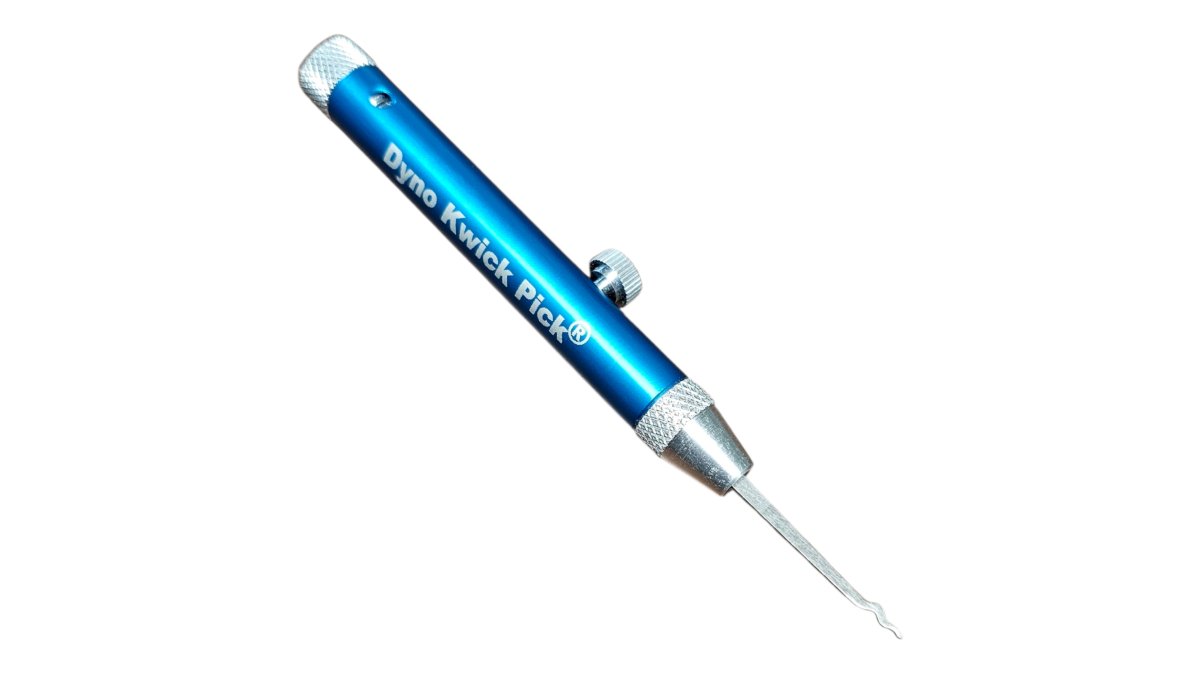
That is the case for the Dyno Kwick Pick, a pen-style 3-in-1 lock pick tool designed and tested by professional locksmiths and often recommended as a first pick in lockpicking communities. The package includes the pick tool, a snake rake, a tension wrench, and an instruction guide.
Why a Pen-Style Tool Works for New Pickers
A pen-style tool works for beginners because it removes the two biggest early obstacles: carrying the tool and holding it correctly. The pocket clip and pen-shaped body mean it goes where you go, so practice happens more often.
The Dyno Kwick Pick's snake rake quickly opens easily raked locks, giving new pickers an early win that keeps them practicing long enough to develop the patience single-pin picking demands.
The aluminum body is polished and corrosion-resistant, holding up to daily carry. Because it is made in the USA and has been around over 25 years, replacement parts are available: a tension wrench is $5.99 and a snake rake is $6.99.
If you want a gift-ready version, the Dyno Kwick Pick Gift Set adds an engraved wooden presentation box and a replacement rake insert for $31.99.
Lock Pick Practice Locks: Building Skills
Practice locks are where lock picking stops being guesswork.
There are two broad categories, and they teach different things.
Clear progressive locks show you the inside.

Repinnable cylinders feel like real locks because they are real locks. You get a brass or steel mortise cylinder, pins, and a follower or hex key.
A practical progression that works
- One or two standard pins in a repinnable cylinder. Learn what a binding pin feels like and a set pin sounds like. Do this until it is boring.
- A clear progressive lock with standard pins. Now you see what you were feeling, most people's "oh, that's what that was" moment.
- Spool pins. Spools false-set and require counter-rotation. A clear lock makes it visible; a repinnable cylinder makes it realistic. Do both.
- Serrated pins. Serrated pins give multiple false sets and punish heavy tension. Here, tension control, not pick selection, decides whether you open the lock.
- Mixed security pins. Real locks rarely use one pin type. Mixing spools and serrated pins in one cylinder is the closest desk-built real-world challenge.
What to buy first
Starting from zero, a clear progressive set is the better first purchase because it teaches the binding pin principle fastest.
Total cost of ownership
A clear progressive set is a one-time purchase with no consumables. A repinnable kit costs slightly less up front but eventually needs spare pins, a pinning mat, and a follower.
Pairing practice locks with a pick
A practice lock is only useful if you actually pick it.
Legal and Responsible Use of Lock Picks
Lock picks are legal to own in most states, but legality depends on intent and local law, and some states restrict possession entirely.
The practical rule is simple: only pick locks you own or have written permission to open.
Responsible use also means knowing when to stop. If a lock belongs to a landlord, employer, or storage facility, get written authorization first, the standard locksmiths and security technicians work under daily.
For hobbyists, the safest path is practice locks and locks you bought yourself. That keeps your skills sharp and your record clean.
Keep your lock pick set with its packaging or documentation when you travel. A pen-style pick is discreet, but being able to show what the tool is and why you carry it prevents a lot of awkward conversations.
Lock picking rewards patience more than gear, and most people buy too much kit before picking their first lock.
Get started with Dyno Kwick Pick and build real lock picking skill with a tool that fits in your pocket.
Frequently Asked Questions
Do lock pick sets actually work?
Yes, lock pick sets work when used on the lock types they are designed for. Most sets include hooks, rakes, and tension tools that manipulate pin tumbler locks. The Dyno Kwick Pick, for example, uses a snake rake and tension wrench to open many standard locks quickly. Practice and understanding of how pins bind are essential for consistent results.
Is lockpicking illegal in the United States?
Lockpicking laws vary by state and locality. In many places, possessing lock picks is legal, but using them on property you do not own or without permission can be illegal. Some states require a locksmith license for commercial work. Always check your local regulations and only pick locks you own or have explicit permission to access.
What is the best lock pick set for beginners?
The best lock pick set for beginners is one that is easy to use, durable, and includes basic tools like a rake and tension wrench. The Dyno Kwick Pick is a strong option because its pen-style design is discreet, and the snake rake simplifies raking. Pair it with clear practice locks to see how pins move and build confidence before tackling real locks.
How do other lock pick brands compare with Covert Instruments?
Brands like SouthOrd and Sparrows offer a wide range of picks, from individual hooks to full kits. Covert Instruments is known for its precision and modular systems. Alternatives such as the Dyno Kwick Pick focus on portability and ease of use, making them a practical choice for everyday carry. Compare pick profiles, materials, and included tools to find what suits your needs.
Are Sparrows lock picks better than Covert Instruments?
Sparrows and Covert Instruments both produce quality tools, but they cater to different preferences. Sparrows offers many kit configurations and practice locks, while Covert Instruments emphasizes modular, precision-machined picks. Neither is universally better; your choice depends on whether you value a wide selection, specific profiles, or a compact, pen-style tool like the Dyno Kwick Pick for on-the-go use.
0 commentaire